
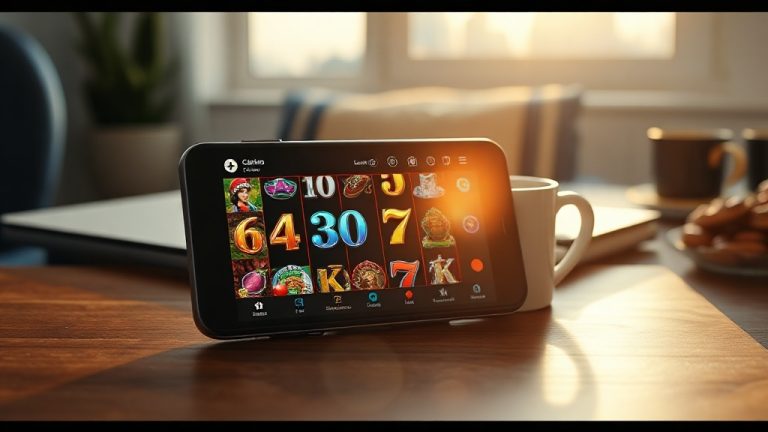
Speed settings are product design. I disable most of them. I’ve covered gambling products as a journalist and analyst for more than ten years, and I still write from the seat of a player who keeps receipts.
I keep a short unordered checklist near my keyboard:
- No chasing after two losing sessions in a row.
- No new brands without a support transcript test.
- No VIP chat pressure after midnight.
- No screenshots as my only payment proof.
| Checkpoint | What I verify | Fail signal |
|---|---|---|
| Licensing talk | Primary DIA timeline | Only influencer hype |
| Payments | Small NZD round-trip | Vague ‘up to 5 days’ with no log |
| Support | Live chat transcript | Copy-paste loops |
Instead of a neat pros-and-cons box, I would rather leave you with the messy middle: most products look fine in a demo and only reveal their cost once money, time and support tickets are involved. After more than ten years covering this beat, I trust process notes over scorecards—especially while New Zealand’s licensing transition is still noisy.
Ask what happens when a withdrawal stalls, when wagering weightings shift mid-offer, or when an ad blackout pushes chatter into private channels. Those questions do more work than a tidy list of upsides and downsides, and they keep the focus on behaviour you can actually control.
My opinion after a decade in this beat: autoplay settings that quietly raise risk is less about secrets and more about refusing convenient stories.
I would rather publish a cautious note than inflate a countdown. The Act’s staging into 2027 rewards readers who stay dull on purpose.
Detail note 2: keep stakes boring, keep logs honest, and revisit DIA notices when the rumour mill spikes.
Readers sometimes want a hotter take. Mine stays plain on purpose. Regulators publish timelines; operators publish hope. My job is to sit between those two voices and keep the arithmetic honest.
If you only change one habit this month, make it documentation—bank references, chat logs, and a short note on why you raised or lowered a stake. Memory flatters; paper does not.
That is why I still prefer a dull checklist over a dramatic prediction when the market is mid-transition.